
Why handwriting helps you think better (and how to write by hand more)
25.09.2026 · 3 min read
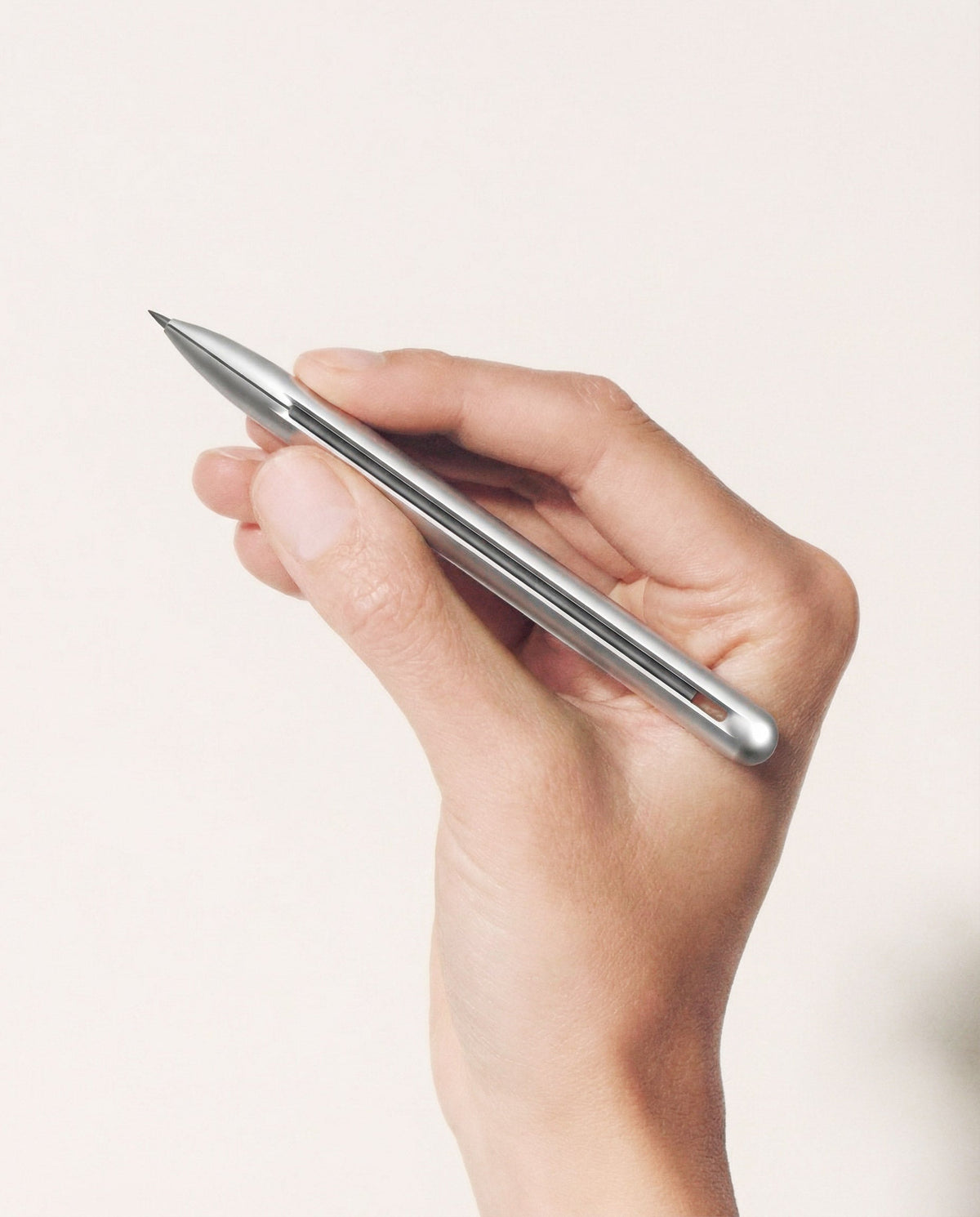
We type more than ever. And yet, when people need to really think something through – a plan, a problem, a new idea – many still reach for a pen. That is not nostalgia. There are good reasons why handwriting helps you think.
Handwriting forces you to process
You cannot write as fast as you can type. That limitation is a feature: when you take notes by hand, you have to summarize and rephrase instead of transcribing word for word. In a well-known 2014 study published in Psychological Science, Pam Mueller and Daniel Oppenheimer found that students who took notes on laptops tended to transcribe lectures verbatim and performed worse on conceptual questions than students who wrote by hand. Later replications have shown the effect is smaller and more nuanced than first reported – but the core idea holds: processing beats copying.
Your brain is more engaged
A 2024 EEG study by Ruud van der Weel and Audrey van der Meer (NTNU, published in Frontiers in Psychology) found that handwriting produced more widespread connectivity across brain regions associated with memory and encoding than typing did. Writing by hand involves fine motor control, vision and touch at the same time – and that richer activity seems to help information stick.
Paper has no notifications
Perhaps the simplest benefit: a notebook does not ping. Thinking on paper means thinking without tabs, messages or the temptation to "just quickly check" something. Many people find their best ideas arrive in exactly that quiet.
How to write by hand more (without forcing it)
- Keep one pen where you work. If it is always within reach, you will use it. A fixed place like the everline BASE helps.
- Start the day on paper. Write your three priorities by hand before opening your inbox.
- Sketch before you build. A rough drawing clarifies more than a blank document.
- Match the tool to the task. Graphite for thinking, color for structure, ink for commitments – switch refills instead of hunting for another pen.
One pen, always the same
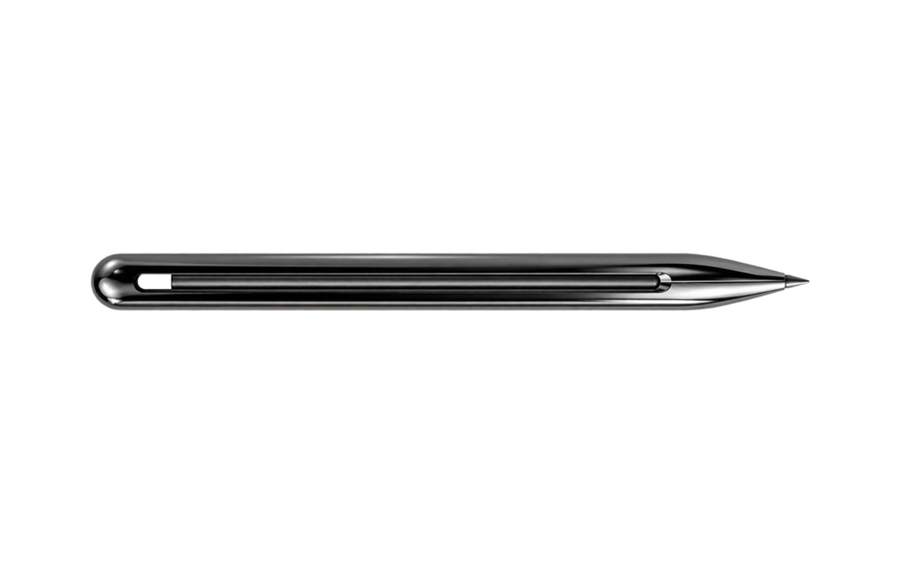
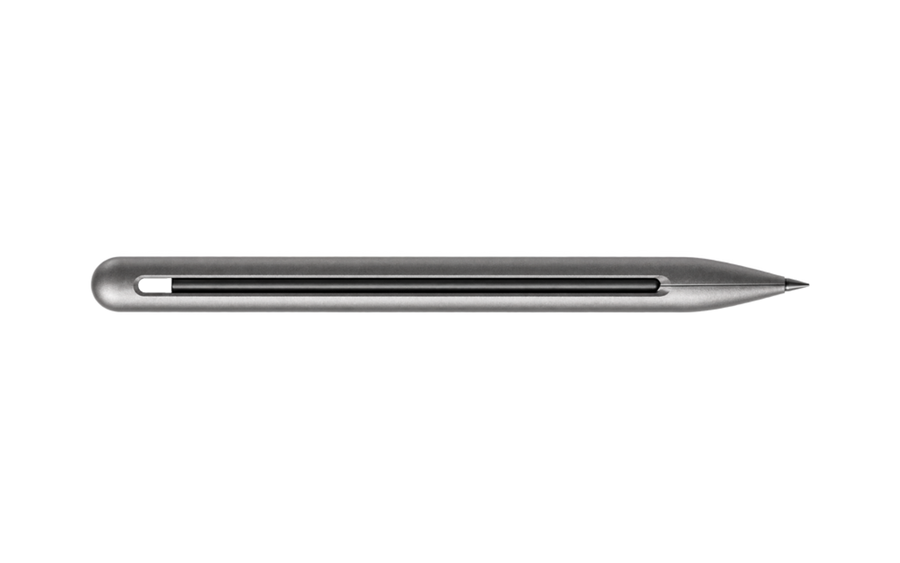
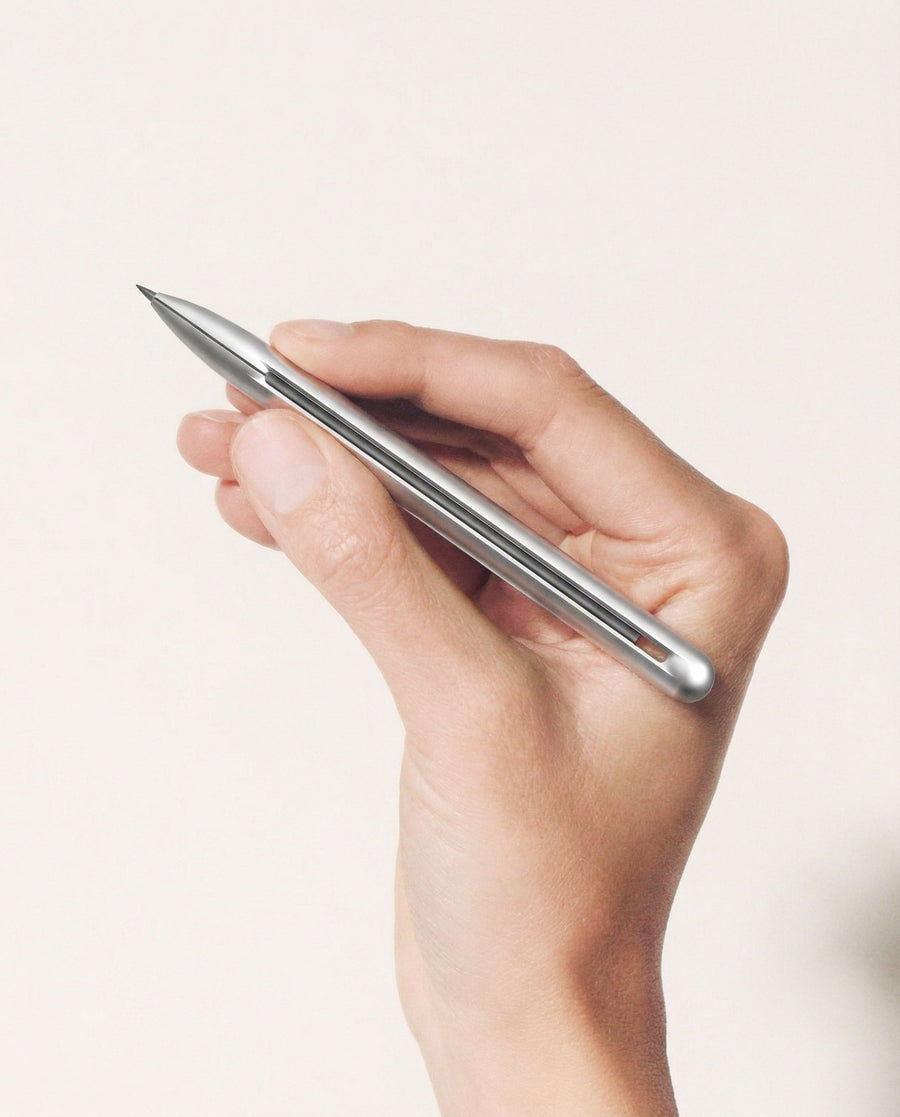
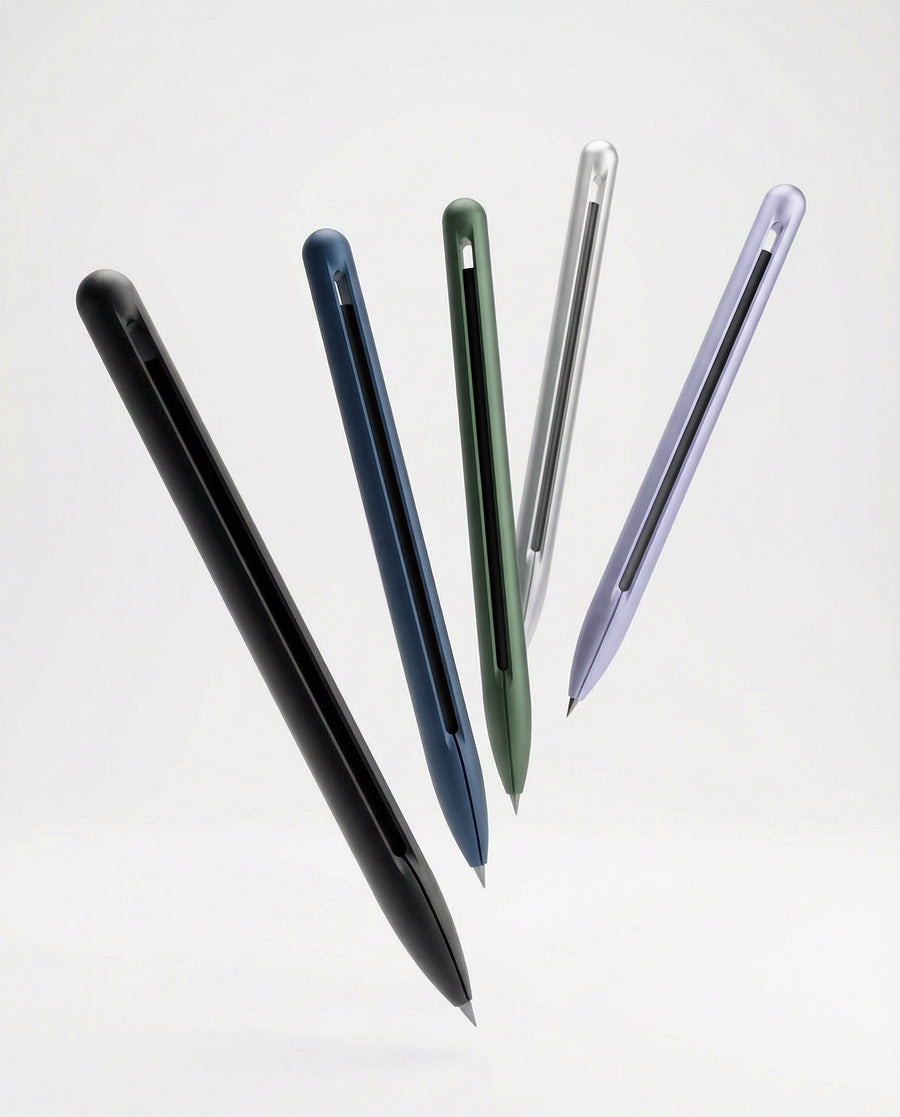
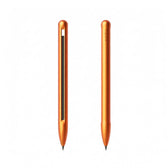
The less you think about the tool, the more you think with it. That is why we built the everline ONE as one pen for everything: one piece of aluminium, four refill types, zero moving parts – and a lifetime guarantee, so it is still in your hand in twenty years.
Sources: Mueller, P. A. & Oppenheimer, D. M. (2014), "The Pen Is Mightier Than the Keyboard", Psychological Science. Van der Weel, F. R. & Van der Meer, A. L. H. (2024), "Handwriting but not typewriting leads to widespread brain connectivity", Frontiers in Psychology.